


London, UK 10 August 2026 – RES, the world’s largest independent renewable energy company, has published its latest Power for Good report, setting out how it is putting its purpose into practice across the 24 countries where it operates. Covering the 2025 financial year, the report details practical initiatives that cut household energy bills, fund…
Indigenous partnerships and reconciliation
by RES | Jul 10, 2026 | Reading time: < 1 min

Our culture of care extends to the environment and all stakeholders. Through our commitment to community relations, we seek to demonstrate this through respectful engagement and collaboration with Indigenous stakeholders, whose ancestral lands we live and work on. Increasing our understanding, value and recognition of Indigenous cultures, histories, knowledge and rights, are key to building respectful relationships with Indigenous communities and creating a more holistic and inclusive approach to our work, in the true spirit of “Power for Good.”
Our contribution towards Australia’s national reconciliation effort with First Nations people
In 2022, we began developing our Reflect Reconciliation Action Plan (RAP), a framework to support our contributions towards Australia’s national reconciliation with First Nations people. A dedicated committee, the Origins Working Group was established to implement the RAP and ensure RES meets its commitments.
The four phases of RAP; Reflect, Innovate, Stretch and Elevate represent different stages of an organisation’s journey towards embedding reconciliation within its business.
Reflect
In 2024, we completed the Reflect stage, with 32 actions focused on building relationships, respect, and opportunities, aligned with our vision for reconciliation – a happier, safer, more successful workplace that provides equitable and tangible benefits for the self-determination of Aboriginal & Torres Strait Islander peoples, facilitating deeper impact from our work.
Innovate
In February 2025, we officially launched our completed and approved Innovate RAP, marking a significant step forward in our ongoing commitment to reconciliation. This phase represents a dynamic opportunity to implement practical measures that will address systemic racism and inequality faced by First Nations peoples and contribute to a more unified and equitable nation.
It is evident that our dedication to reconciliation has not only deepened but has also borne tangible results. Through concerted efforts and meaningful initiatives, we’ve made significant strides in fostering a more inclusive and culturally aware environment within our organisation and across our projects.
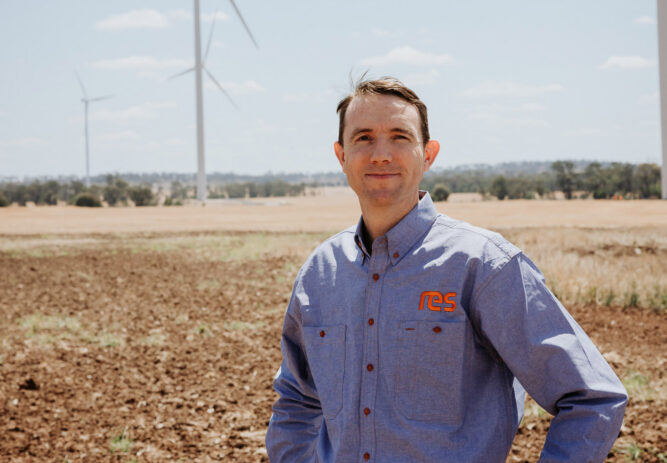

The Innovate RAP is not only a continuation but an amplification of our efforts in embedding reconciliation into the very fabric of RES. It aligns seamlessly with our Sustainability and Diversity and Inclusion strategies, reflecting our holistic approach to corporate responsibility.
Matt Rebbeck, CEO, Australia
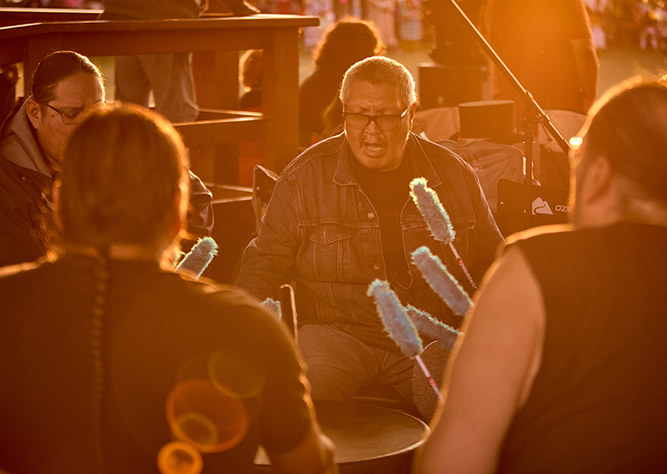
Canada Reconciliation Action Plan (RAP)
Our commitment to Indigenous reconciliation in Canada Indigenous communities In September 2025 we launched our first Canada Reconciliation Action Plan (RAP), a four-year framework that sets out clear commitments to advance reconciliation with Indigenous Peoples across the country.
The plan builds on our two decades of working alongside Indigenous Peoples and communities in Canada and outlines five core pillars – Educate, Engage, Empower, Celebrate, and Illuminate – designed to deliver meaningful and measurable actions.
These include advancing Indigenous awareness training for our people, co-developing engagement plans with Indigenous communities for all new projects, increasing employment and contracting opportunities, supporting cultural events, and publishing biannual progress reports.
We have already demonstrated the value of Indigenous-led partnerships through our projects such as the 200 MW Bekevar Wind Project in Saskatchewan, developed in collaboration with Cowessess First Nation.
The project secured 17% equity ownership for Cowessess Ventures Ltd., as well as employment, training, and contracting opportunities, creating long-term economic benefits for the community.
Developed with input from Indigenous partners and our people, the RAP is closely aligned with the United Nations Declaration on the Rights of Indigenous Peoples (UNDRIP), the Truth and Reconciliation Commission of Canada’s Calls to Action, and the Calls for Justice from the National Inquiry into Missing and Murdered Indigenous Women and Girls (NIMMIWG).
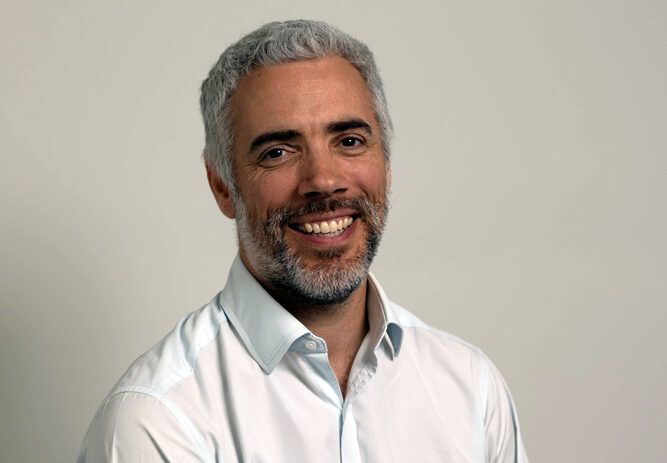
True reconciliation requires longterm commitment, transparency, and respect. At RES, we see our Reconciliation Action Plan as an opportunity to lead by example in the renewable energy industry, demonstrating how meaningful partnerships with Indigenous Peoples can drive both social and environmental progress. This is about ensuring the projects we deliver today create enduring benefits for generations to come.
Douglas McAlpine, Chair, Americas
Our Indigenous reconciliation visual artworks
Our Australian RAP Artwork, ‘Unity of Light and Life’ is created by the First Nations artist, Marion Mitchell, to embody our work, our vision and our dedication to reconciliation. This piece is a celebration of the way RES and its communities come together, working hand in hand to create something meaningful. The artwork hopes to inspire a feeling of hope, unity, and shared responsibility.

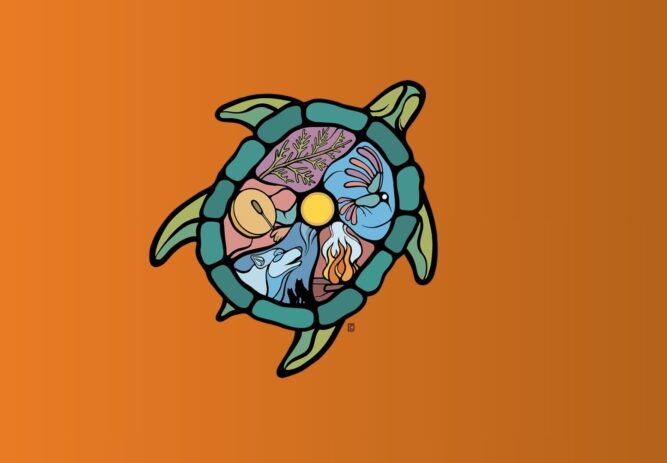
Our Canadian RAP’s visual identity was created by Cree artist Chris Chipak of Red Pheasant Cree Nation. His design highlights Turtle Island as the one who carries us all on her back, and incorporates cultural symbolism to reflect the plan’s five guiding pillars and the shared journey of reconciliation.
Setting a benchmark for responsible renewable energy development in Australia
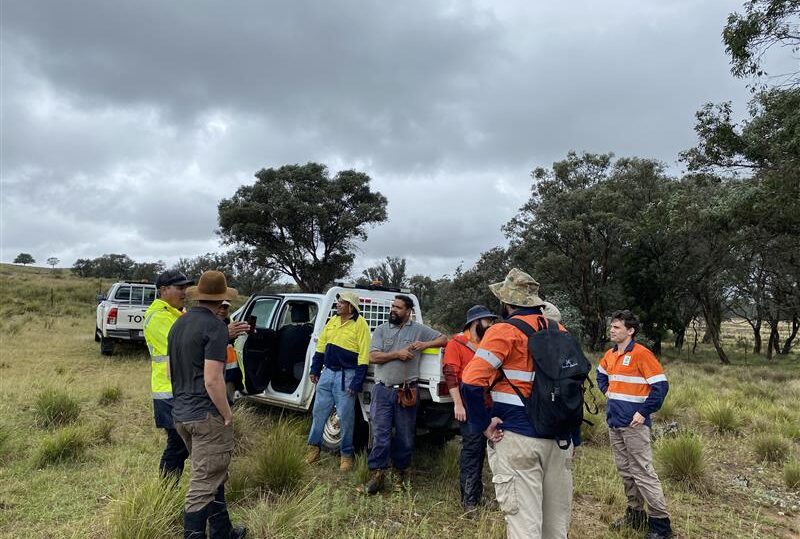
The collaborative approach we have taken during the development of the Kerrs Creek Farm in Australia stands as a strong example of socially responsible renewable energy development.
It has also gained national recognition, with the project named a finalist in the Clean Energy Council’s Community Value and Impact Award. Shaped by deep, early and ongoing engagement with the local community and Traditional Owners, our approach helped shift the project from consultation to genuine partnership, embedding local voices into project design and fostering long-term relationships.
Community feedback directly influenced key project decisions, including turbine height, transport routes, and benefit-sharing arrangements, as well as cultural heritage protection measures.
Another important outcome has been the protection of Aboriginal cultural heritage. Working closely with First Nations Rightsholders and heritage consultants, we:
- Undertook surveys across the project area to identify spiritually significant areas and items of cultural significance, including scar trees. Findings from these surveys informed our project design, with buffer zones incorporated to protect the vast majority of identified cultural values.
- Committed to preparing an Aboriginal Cultural Heritage Management Plan prior to construction to ensure the ongoing protection of tangible and intangible cultural heritage values throughout the life of the project.
The result is a project that reflects community aspirations while supporting clean energy transition. Our efforts reinforce that strong social outcomes are not an add-on — they are fundamental to project success and long-term legacy.
Read more about our sustainability journey in our latest Power for Good report.
Read the full reportLatest Resources
Learn more about our work.

Transforming industry sustainability with our innovative solutions
As the energy transition accelerates, maximising the performance of existing assets is more important than ever. Making the most of every megawatt is not just a business efficiency, it is a necessity for the sustainable development of the renewable energy industry. We are committed to delivering purposeful and practical solutions…
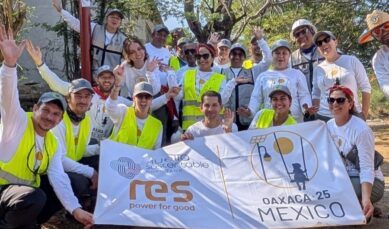
Lighting up La Blanca: a global volunteering effort
Since 2019, in collaboration with our charity partners, we have been installing renewable energy systems to bring access to clean energy to community initiatives across the world. The Project In November 2025, fifteen RES volunteers from across our geographies came together in La Blanca, a rural village in Oaxaca, Mexico,…