

Battery energy storage systems (BESS) are moving from niche investments to critical infrastructure. But while demand is rising fast and technology is advancing to match, a stubborn challenge frequently resurfaces – integration risk. Too often, the different components and subsystems of a storage project are brought together only in the…
Digital Solutions
FCC and FEOC compliance for BESS controls
US rules now reach the EMS, power plant controller and SCADA that run your storage site. Here’s what applies, what to ask your supplier and how RESolve keeps your controls from holding up your project.
Talk to our US team
Do FCC and FEOC rules apply to BESS controls?
Yes. FCC rules apply to the electronics in your controls like any other equipment, and FEOC rules apply to your supply chain if your project claims federal clean energy tax credits. In Texas, state grid security law also covers who can access your controls remotely. RESolve is FCC and FEOC compliant across its hardware and software.
Controls are often specified late, so a compliance gap can surface when it’s most expensive: at financing, tax credit filing or commissioning. Non-compliant suppliers are pushing US storage projects back by months. Use the questions below with any controls supplier, before you sign.
Three sets of rules that reach your controls
For each question, here’s what a good answer looks like (last updated November 2026).
1. FCC: the electronics in your controls
Every controller, server, switch and modem in your EMS and power plant controller needs FCC authorization. In 2026 the FCC also added some foreign-produced inverters to its Covered List, which bars new authorization for listed equipment.
Can you show FCC authorization for every device in your EMS and power plant controller?
You should get a device list with the FCC Supplier’s Declaration of Conformity for each wired device, and an FCC ID for anything with a radio, such as a cellular modem.
Is any device in your controls from a company on the FCC Covered List?
The answer should be a clear no, in writing, and it should cover embedded communications modules as well as the main hardware.
If our chosen inverter is affected by the Covered List, can your controls work with an alternative without a redesign?
A strong supplier can name the inverters its controls already work with and explain how a late switch would affect integration and commissioning.
How are software and firmware updates handled on authorized devices?
There should be a defined update process that keeps every device within its authorization.
2. FEOC: your tax credit supply chain
To claim the federal clean electricity investment credit, a minimum share of project costs must come from non-prohibited foreign entities: 55% for storage starting construction in 2026, rising to 75% from 2030. Signed supplier certifications, including one from your controls supplier, are what protect the credit.
Will you provide a signed FEOC supplier certification for your controls?
Ask for a certification signed under penalty of perjury, with the supplier’s EIN, stating the products weren’t produced by a prohibited foreign entity and listing the costs your tax advisor needs.
Who owns your company, and who owns and licenses the software in your controls?
The supplier should be able to show a clear ownership chain for the company and the software, with no prohibited foreign entity in it.
Do you know where your own suppliers’ components come from?
A reliable supplier can name its key hardware sources and has checked them, so its certification isn’t a guess.
Will you update the certification if your supply chain changes?
Get this as a contract commitment: the supplier notifies you and reissues the certification if anything changes.
3. Texas: who can reach your controls
In ERCOT, the Lone Star Infrastructure Protection Act bars companies linked to China, Iran, North Korea or Russia from remote access to, or control of, the grid. ERCOT has already terminated a market participant for breaking it, and your controls are the part of the site built for remote access.
Who can access our controls remotely, and from where?
Expect named teams and locations for monitoring, support and updates, none of them linked to the listed countries.
How is remote access controlled and logged?
The answer should list specific measures, such as firewalls, multi-factor authentication and access logging, not a general security statement.
Will you give us what we need for our ERCOT attestation?
It should be a written yes before contract, including a clear ownership and headquarters statement.

When to ask
Ask early. Every step later in the project makes a gap more expensive to fix.
- Shortlisting suppliers: put the questions above in your RFP and rule out anyone who can’t answer them clearly.
- Before you sign: get the documents below, or a contract commitment to deliver them by a set date.
- Before construction starts: confirm the FEOC certification, because your start date sets the threshold your project must meet.
- Before ERCOT registration and commissioning: check that nothing has changed in the supplier’s ownership, supply chain or remote access setup.
Documents to collect
Please note that this is general guidance, not legal or tax advice. Check the details for your project with your advisors.

Device list with FCC Declarations of Conformity and FCC IDs (FCC)
Covers every device in the EMS, power plant controller and communications
Covered List statement (FCC)
No equipment from listed companies, including embedded modules
Signed FEOC supplier certification (FEOC)
Signed under penalty of perjury, with EIN and costs
Ownership statement for the company and its software (FEOC and Texas)
No prohibited foreign entity or listed-country link
Remote access description (Texas)
Who has access, from where and how it’s controlled
Contract clause on supply chain changes (FCC, FEOC and Texas)
Supplier must notify you and update documents
How RESolve answers these questions
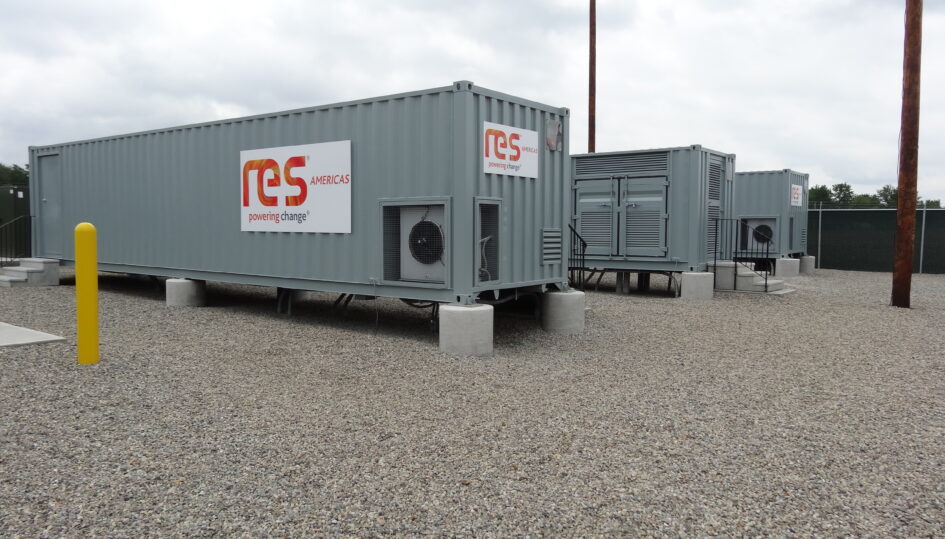
RESolve is the energy management system and power plant controller from RES, for battery storage, solar and hybrid sites.
- FCC and FEOC compliant. RESolve’s hardware and software meet FCC and FEOC rules.
- Documentation before you sign. You get the FCC documentation and FEOC certification before contract, not at commissioning.
- We know ERCOT. RES builds storage projects in Texas, so we know what your attestation needs.
- Vendor-agnostic and flexible: RESolve controls have been integrated with most battery and inverter suppliers, giving customers confidence in compatibility and freedom of equipment choice.
- One accountable team. We cover the full controls scope, from integration and commissioning to long-term support.
FAQs
Is RESolve FCC and FEOC compliant for US projects? 
Yes. RESolve’s hardware and software are FCC and FEOC compliant, with no prohibited foreign entity in its ownership or supply chain. Contact the team for documentation.
Why do FEOC rules matter for BESS controls?
FEOC rules apply to US projects claiming clean energy tax credits. They limit how much of a project’s components can come from prohibited foreign entities, and developers rely on signed certifications from their suppliers. Controls are part of that supply chain, so it’s worth checking your controls supplier before you sign.
Does FEOC apply to battery energy management software?
Yes. Your EMS and power plant controller are part of your project’s supply chain, and for software that means looking at who owns and licenses the code, not just where the hardware was made. Ask your controls supplier to show both in writing, along with a signed FEOC certification.
Does the FCC Covered List apply to battery storage controls?
It applies to any equipment on the list, which in 2026 grew to include some foreign-produced, grid-tied inverters. Check that no device in your controls is on it, and that your controls can work with an alternative inverter if yours is affected.
When should I ask for a FEOC supplier certification?
Before you sign with your controls supplier. Then confirm it again before construction starts, because your start date sets the threshold your project must meet.
What does the Lone Star Infrastructure Protection Act mean for battery storage?
The Texas law restricts grid equipment and software with remote access from companies linked to certain countries. ERCOT can suspend a project’s registration if it doesn’t comply, so check your controls supplier before you sign. This is general guidance, not legal advice.
RESources
Insights from our energy storage team
Why BESS projects stall at commissioning: the integration risk beyond the battery
As battery energy storage systems (BESS) become an increasingly important part of the energy transition, delivering successful projects is no longer just about battery technology.

Future-proofing BESS: Advanced controls for evolving energy markets
by Alex Bamberger, VP of Digital Solutions The nature of grid balancing services has changed rapidly in the last five years, with new services introduced that reward fast, accurate flexibility. This has increased battery participation significantly while improving project economics and lowering the cost of balancing variable generation to the…