Solutions
Our passionate and experienced people deliver successful clean energy projects globally.
Technologies
Driving a clean energy future through state-of-the-art renewable technologies.
See all technologiesResources
Browse our latest resources, including company updates, customer stories, industry insights, and research reports.
See all resourcesCareers
Join a collaborative team of passionate individuals who engage in meaningful, stimulating, and world-changing work.
Learn moreAbout RES
We live our mission, celebrate the people making it happen and transform the way the world produces and consumes energy.
See about usOur offices
Like our business, we’re truly global – but proudly local. Find contact and location details for every RES office.
Contact us-
Home
/
Resources
/
Case Studies
/
Protecting and enhancing nature
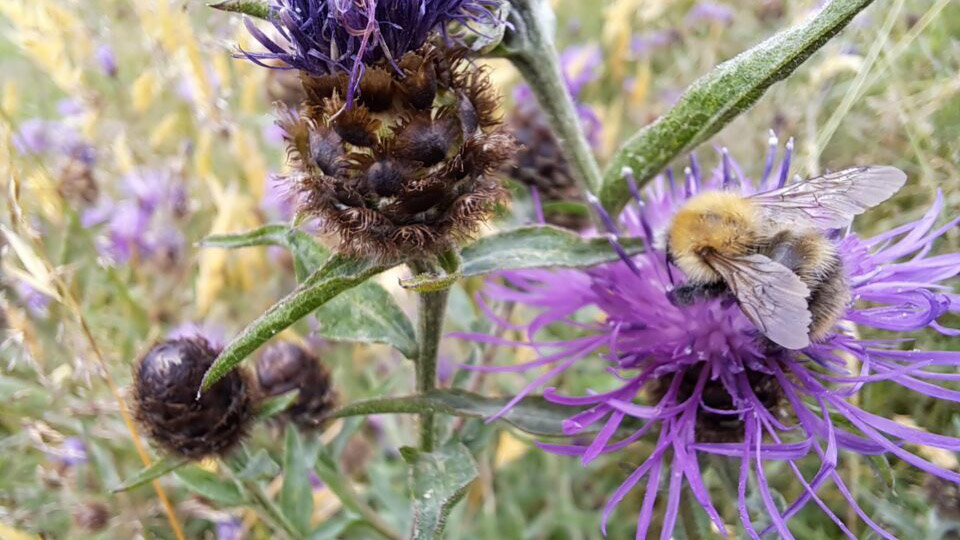
We believe renewable energy and nature must thrive together.
Across our projects, we undertake environmental assessments, biodiversity enhancement programmes and habitat management initiatives designed to protect and improve local ecosystems. Examples from FY25 include protecting endangered species during construction, integrating solar energy with agriculture and ecology, and enhancing biodiversity across our solar portfolio.


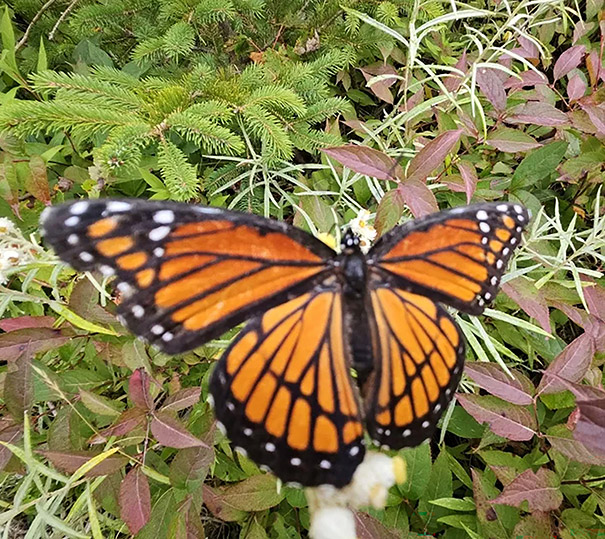
Protecting the monarch butterfly
Globally, there are over 180,000 pollinator species, including the endangered monarch butterflies, recognised for its distinctive colouring, remarkable migratory behaviour and vital contribution to ecosystems.
In autumn 2025, areas of the forest floor at the Goose Harbour Lake Wind Site in Nova Scotia, where construction is underway, served as a resting and refuelling habitat for monarch butterflies before they begin their 3,000-mile migration across Canada, the United States and Mexico. To protect monarch butterflies at the site, our team conducted wildlife surveys to identify sensitive areas and better understand where protection measures were needed. This was supported by training and orientation for all staff, ensuring awareness of the species, its habitat and the importance of minimising impact.
Additional measures included reducing vegetation disturbance, preserving green spaces and encouraging the growth of wildflowers. These efforts help create a supportive habitat for returning monarch butterflies, while also benefiting wider ecosystems and future generations.
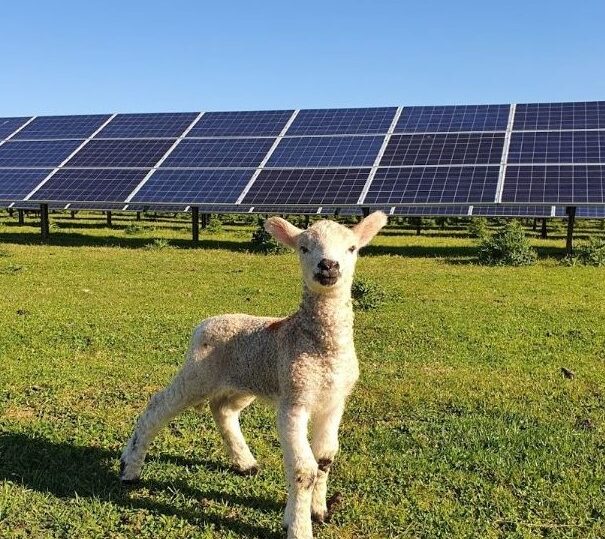
Dual land use in action: integrating agriculture, ecology and solar energy
Derril Water Solar Farm in the UK is a 42 MWp renewable energy project which we developed and have been providing construction management services since 2025, following the start of construction in 2024. This project is a strong example of how renewable energy assets can be delivered in harmony with the surrounding environment.
The site was designed with a dual land use approach, recognising the importance of maintaining land value and functionality while accommodating large-scale infrastructure. Once fully operational, the solar farm will generate enough clean electricity to power around 14,000 homes annually. At the same time, it will support ongoing agricultural activity through sheep grazing, ensuring the land remains active and productive.
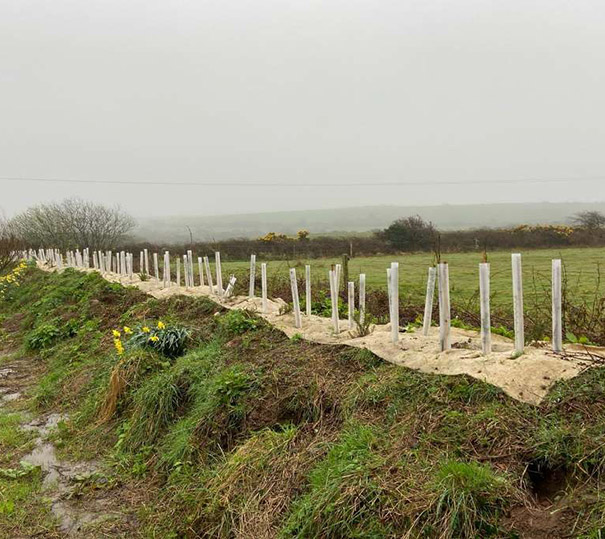
A range of ecological enhancements has been incorporated into the design and implemented on site. These include the establishment of new hedgerows, species-rich grassland, woodland planting, and the creation of habitats for birds, reptiles, and amphibians. Together, these measures contribute to a biodiversity net gain, ensuring the site enhances rather than diminishes the existing natural environment.
Enhancing biodiversity at solar farms
We continue to focus on enhancing biodiversity across our solar portfolio, with strong ecological improvements observed through our proactive land management approach.
A strong example is Westerfield Solar Farm in Oxfordshire, England. At this 13MW site, we have implemented a range of land management practices to support biodiversity: extensive tree planting carried out in previous years is now well established, supported by ongoing maintenance and watering; barn owl and kestrel boxes were installed to enhance habitat provision; cut-and-collect operations were organised in field margins outside the fence line to reduce soil nutrient level and encourage wildflower growth; and, in preparation for a planned school site visit, proactive tree safety works were undertaken, with removed wood repurposed into hibernacula to provide habitat for invertebrates. The site now supports a variety of habitats, including maturing trees, hedgerows and diverse grassland, with areas managed at different intensities. The identification of a skylark nest on site highlights the value of these measures.
An ecological monitoring survey conducted in 2025 will contribute to the next national solar habitat report led by Solar Energy UK and Lancaster University, supporting wider understanding of how solar farms can enhance biodiversity. This example demonstrates how our proactive land management approach delivers measurable ecological outcomes while supporting the long-term sustainability of our sites.