Solutions
Our passionate and experienced people deliver successful clean energy projects globally.
Technologies
Driving a clean energy future through state-of-the-art renewable technologies.
See all technologiesResources
Browse our latest resources, including company updates, customer stories, industry insights, and research reports.
See all resourcesCareers
Join a collaborative team of passionate individuals who engage in meaningful, stimulating, and world-changing work.
Learn moreAbout RES
We live our mission, celebrate the people making it happen and transform the way the world produces and consumes energy.
See about usOur offices
Like our business, we’re truly global – but proudly local. Find contact and location details for every RES office.
Contact us-
Home
/
Resources
/
People Stories
/
The trust advantage: The habit that makes it safe to speak up
The trust advantage: The habit that makes it safe to speak up
by RES | Apr 27, 2026 | Reading time: 3 min
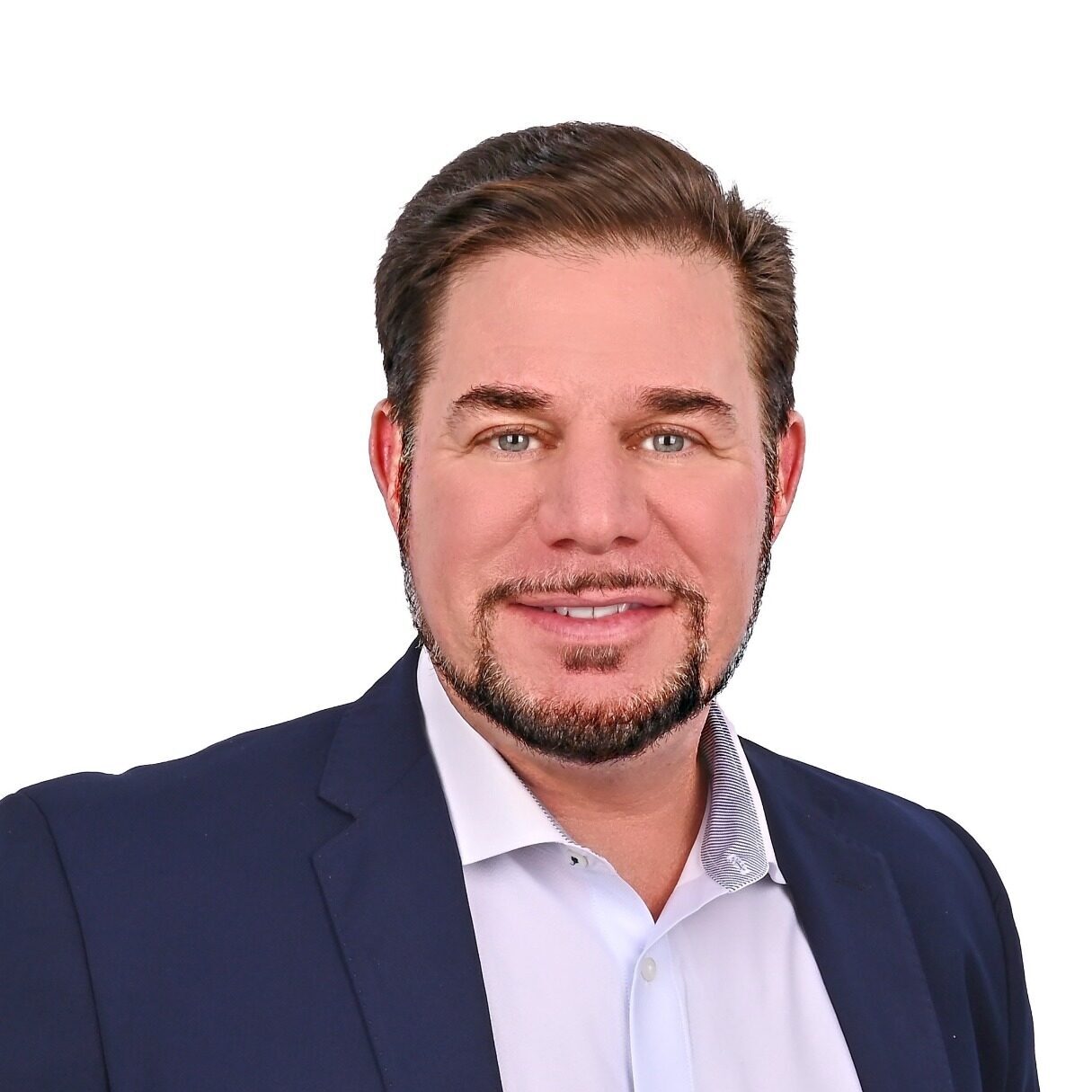
Building a safe culture takes more than rules, checklists, and procedures. It starts with trust, something Mark St. Germain learned across a career spanning industries and continents.
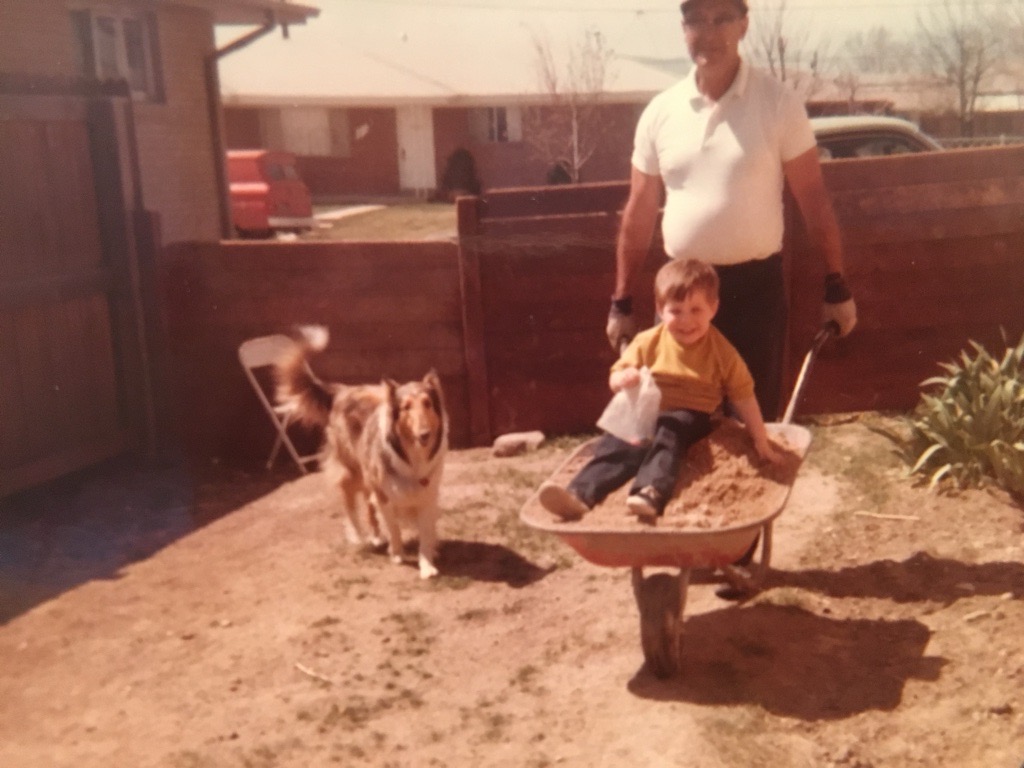
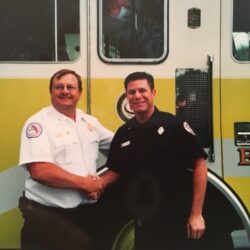
Growing up, Mark’s dream was to become a firefighter. He wanted to follow in the footsteps of his hero, his grandfather, a Denver firefighter who dedicated his life to protecting his life to protecting others and caring for his family. “Watching him shaped who I wanted to be,” Mark recalls.
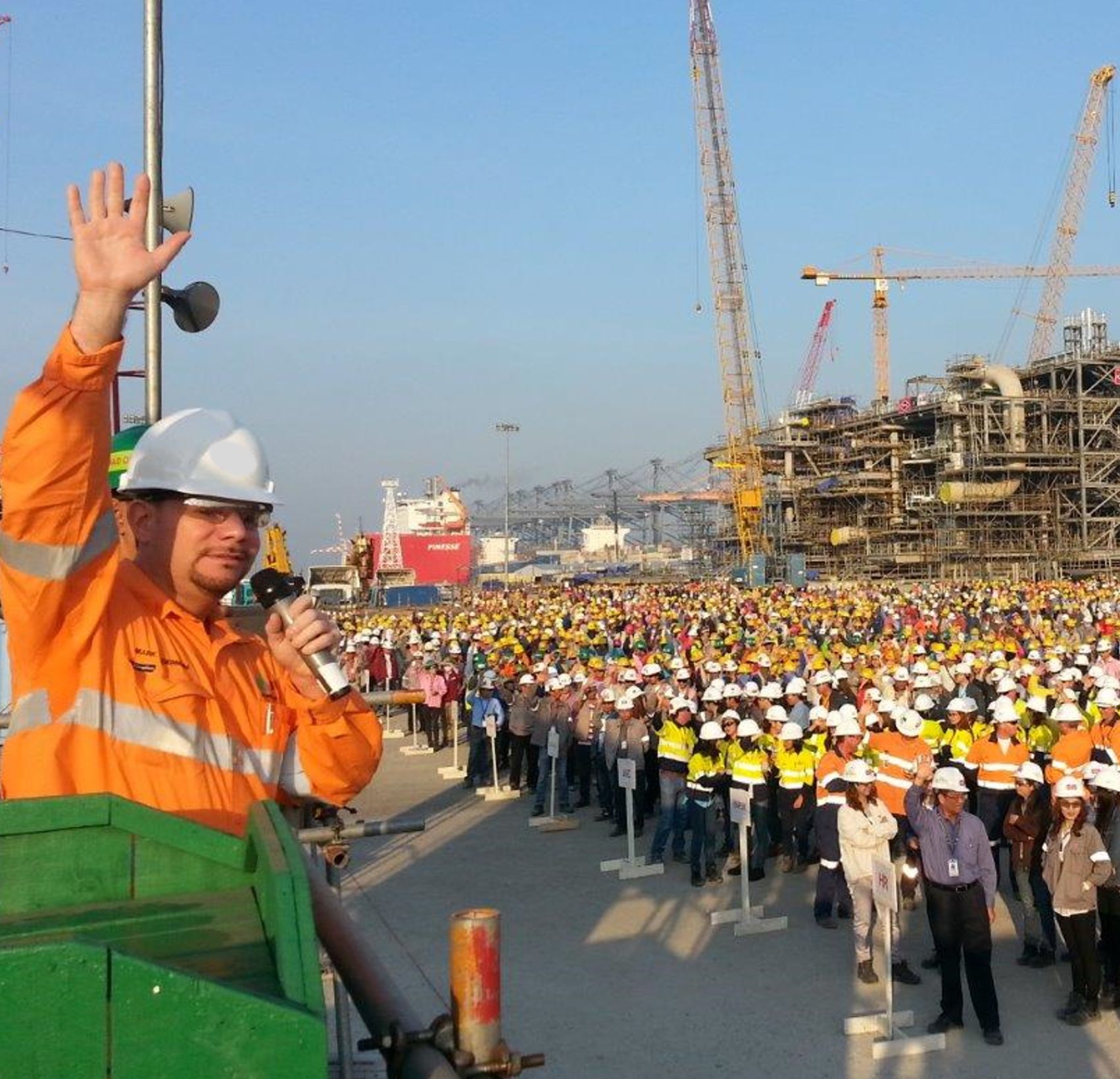
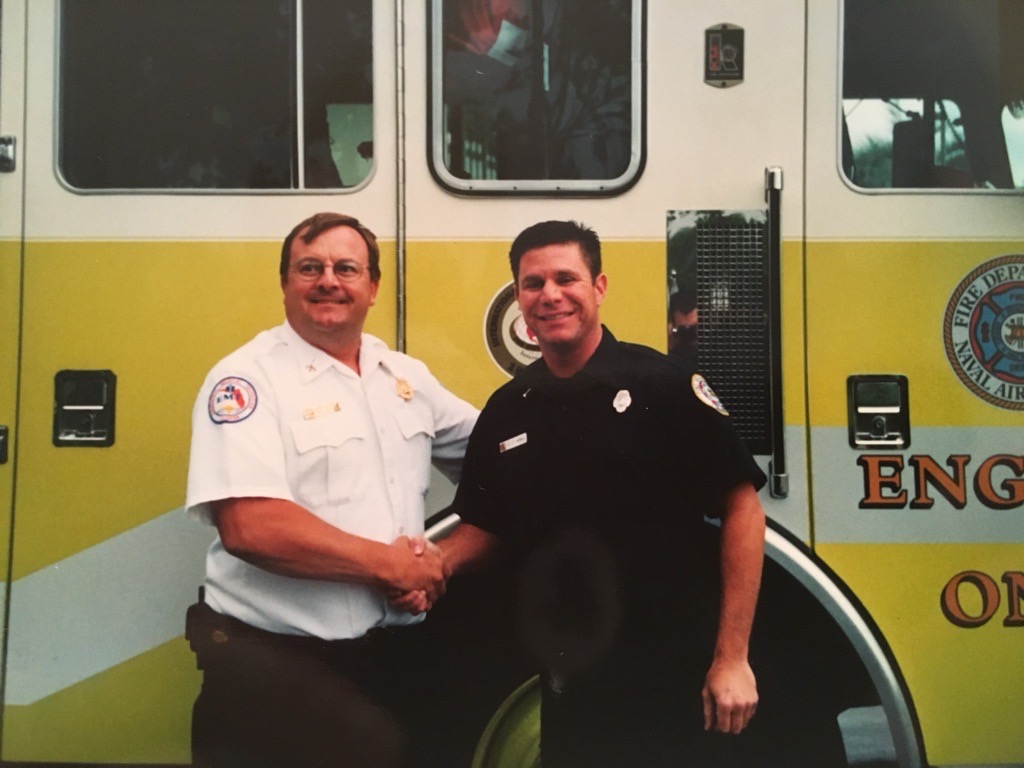
That influence led Mark to the U.S. Navy, where he trained as a Damage Controlman, the ship’s fire chief, responsible for emergency response and crew safety at sea. After leaving the Navy, he spent nearly a decade as a firefighter and fire inspector in Jacksonville Florida. These roles reinforced a command-and-control approach to safety driven by procedures, compliance, and swift decision-making. That approach worked in high-risk, emergency situations, but as Mark moved into global safety leadership roles, he began to see its limitations.
The shift became especially clear when he started working in Australia.
“Coming from a background in fire service and the military, my leadership style was very ‘my way or the highway’.”
“In Australia, teams value communication, consultation, and shared ownership.” Despite having strong technical expertise, Mark noticed that people were less engaged and less willing to speak up when they didn’t feel included in the conversation.
That realisation marked an important turning point in his leadership journey. Mark began to see that even the best safety systems fall short if people don’t feel safe enough to raise concerns, challenge assumptions, or admit uncertainty. He learned that trust, not authority, was the real engine behind safe performance.
“The stronger the relationship, the more you can accomplish,” Mark explains. “That’s psychological safety. When people trust you and feel heard, they speak up. And when they speak up, you prevent problems before they become incidents.”
That lesson continues to shape how Mark leads today. As Vice President of HSQE for RES in the Americas, Mark sees psychological safety as one of the most powerful drivers of performance, not just safety outcomes.
“No one wakes up in the morning wanting to get hurt or do a bad job,” he explains. “People want to do good work. Our role as leaders is to create an environment where everyone can feel safe enough to say something when something doesn’t look right.”
For Mark, that starts with these leadership behaviours:
- Approachability
- Listening without reacting negatively to bad news
- Treating concerns as opportunities to learn rather than reasons to assign blame
“When leaders are present, it changes everything,” he shared. “If your door is open, if you’re engaged, if you respond with curiosity instead of frustration, people notice. That’s when psychological safety starts to grow.”
Mark’s seen firsthand how the absence of that environment can silence voices. Creating spaces for more open, informal dialogue is something we need to continue to improve. “If we can build trust, support one another, and create teams where people feel safe to speak up, we can reduce injuries and build high-performing teams.”
That belief is both personal and professional. As a proud husband and father, Mark carries the same principles home that guide his leadership at work. He is intentional about listening, showing empathy, and knows that trust is built through everyday actions. “I want my kids to be proud of me,” he says. “I want them to learn how to work hard, take care of people, and use their strengths to make a positive difference.”
Whether on a job site, in the office, or around the dinner table, Mark sees trust as the foundation for people to do their best. When individuals feel supported and safe to speak up, everyone benefits. Psychological safety isn’t merely a buzzword for Mark. It’s a promise to the people he works with and to the families who count on them arriving home safely every day.


Mark's safety journey so far: